




October 02, 2026
Understanding EN Standards: What EN ISO 374 & EN 388 Mean for Your Safety
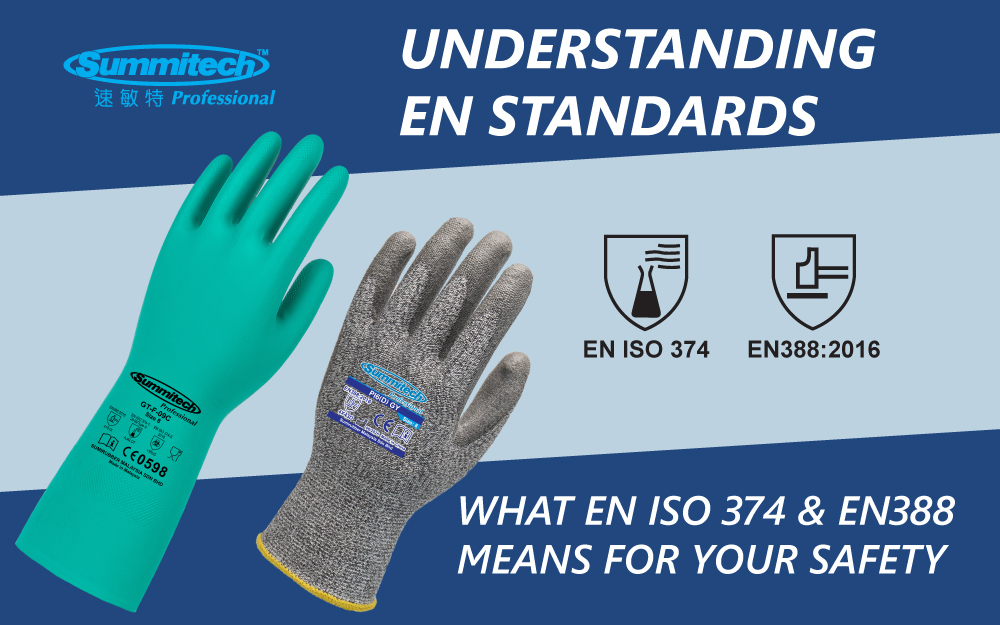
Understanding EN Standards: What EN ISO 374 & EN 388 Mean for Your Safety
When it comes to hand protection, not all gloves are made equal and not all safety claims mean the same thing. In industrial environments where workers handle chemicals, sharp tools, or mechanical parts, choosing gloves that meet the right EN standards can make the difference between safe operation and serious injury.
Two of the most important standards you’ll often see are EN ISO 374 and EN 388. Understanding what they mean helps you make informed decisions about the gloves you use and the level of protection you can truly rely on.
EN ISO 374: Protection Against Chemicals and Microorganisms
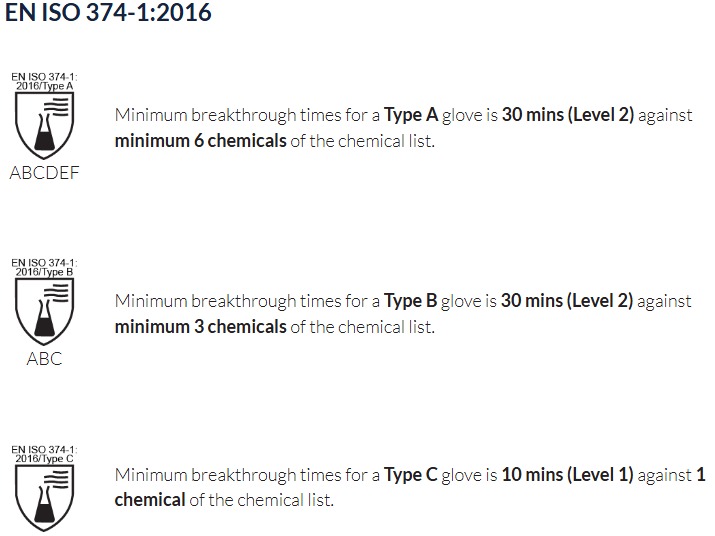
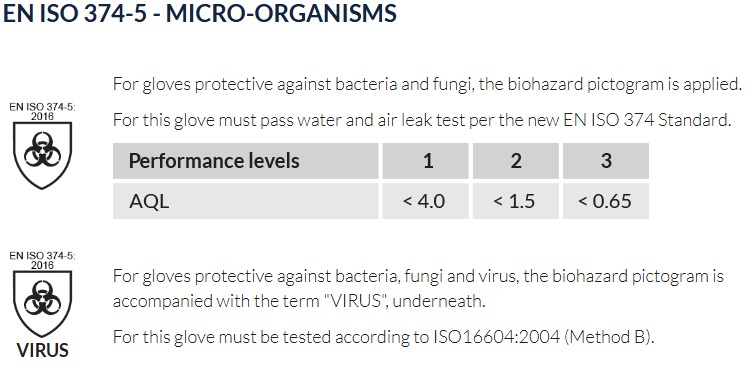
EN ISO 374 defines how gloves are tested and rated for protection against chemical and biological hazards. When you see this marking, it means the glove has been tested for chemical permeation, penetration and degradation resistance. In simpler terms, it shows how well a glove can prevent harmful chemicals or pathogens from passing through its material.
Key Aspects of EN ISO 374:
1. Permeation Test – Measures how long a chemical takes to break through the glove material.
2. Degradation Test – Evaluates how the glove material changes after contact with chemicals.
3. Penetration Test – Checks for leaks, holes, or defects that allow chemicals or microorganisms to pass through.
EN 388: Protection Against Mechanical Risks
EN 388 is the most recognized glove standard for mechanical protection. It defines a glove’s resistance to physical hazards like abrasion, cuts, tearing, and puncture.

The EN 388 Rating System Example: EN 388: 4X43F
Each number or letter represents a specific test result:
A – Abrasion Resistance (1–4)
B – Cut Resistance (Coup Test) (1–5)
C – Tear Resistance (1–4)
D – Puncture Resistance (1–4)
E – Cut Resistance (ISO 13997) (A–F)
F – Impact Protection (optional, P = passed)
Why It Matters:
Selecting gloves with the right EN 388 level ensures your hands are protected from mechanical hazards without sacrificing comfort and dexterity. For instance:
- Warehouse or construction workers need gloves with high abrasion and tear resistance.
- Metal fabrication or glass handling may require high cut resistance (levels E or F).
Choosing the Right EN Standard for the Job
|
Task Type |
Recommended Standard |
Example Protection |
|
Handling chemicals, acids, cleaning agents |
EN 374 |
Chemical-resistant gloves (Nitrile and Neoprene) |
|
Metal or glass handling |
EN 388 |
Cut-resistant gloves (HPPE, aramid or coated) |
|
Food processing |
EN 374 + Food Contact |
Nitrile gloves resistant to oils and fats |
|
Maintenance or assembly |
EN 388 |
Multi-purpose gloves with grip and abrasion resistance |
Final Thoughts
EN standards are not just technical labels - they represent trust, quality and safety assurance. At Sumirubber Malaysia, we take these standards seriously. Every Summitech Professional glove is developed, tested, and certified to meet or exceed relevant EN requirements, giving you confidence that your hands are protected in every task.
Because the right glove doesn’t just protect your hands - it protects your productivity, your confidence, and your future.
Explore Our Range
Discover EN 374 and EN 388 certified gloves from our Summitech Professional series designed for chemical resistant, cut resistant, food handling and multi purpose applications.
Recent Tips

September 18, 2026
The Role of Gloves in Reducing Cross-Contamination