




September 29, 2026
Rubber Gloves: Waterproof vs Water-Resistant Explained
Rubber Gloves: Waterproof vs Water-Resistant Explained
When it comes to glove performance, “waterproof” and “water resistant” are often used interchangeably — but they don’t mean the same thing.
Understanding the difference is important, especially if you’re choosing gloves for household, industrial, or laboratory use.
The truth is: rubber gloves are waterproof. Their material and seamless dipped construction make them impervious to water.
In this article, we’ll explain:
- The difference between “waterproof” and “water resistant”
- Why rubber gloves are considered waterproof
- Why it’s important to know the distinction
- How rubber gloves are tested and graded for waterproof performance
The Difference Between “Waterproof” and “Water Resistant”
-
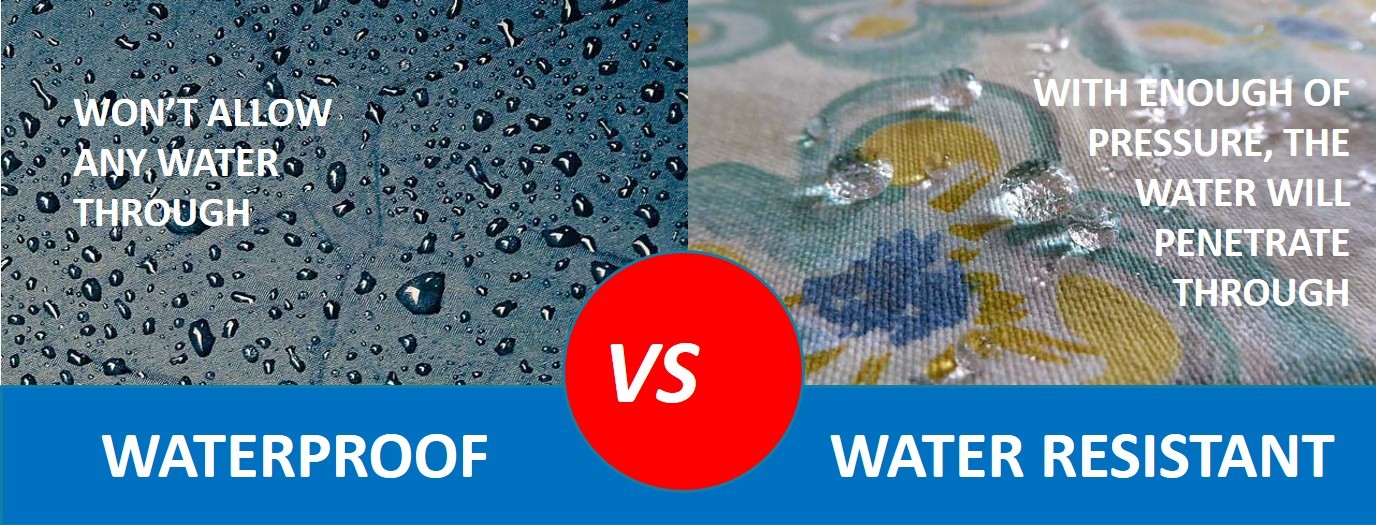
Waterproof means completely impervious to water.
→ If something is waterproof, water cannot pass through the material under normal use.
-
Water resistant means able to slow down water penetration, but not fully block it.
→ It resists water temporarily, but over time, water can still seep through.
What Makes Rubber Gloves Waterproof?
Two main factors determine whether a product is truly waterproof:
- The Material
Rubber gloves are typically made from natural latex or other elastomers such as nitrile or neoprene. These materials are inherently impermeable — meaning water cannot pass through the rubber itself. - The Structure
Most unsupported rubber gloves are manufactured using a dipping process, creating a seamless, one-piece design. This construction eliminates weak points such as stitching, ensuring no water leaks through.
Comparison with Watches:
Unlike rubber gloves, watches cannot be considered fully waterproof. Their complex construction — with moving parts, joints, and seals — makes it impossible to guarantee total water impermeability. That is why watches are classified as “water resistant” rather than “waterproof.”
Why Is It Important to Know the Difference?
Not all gloves are designed to be waterproof, and choosing the right type depends on the task.
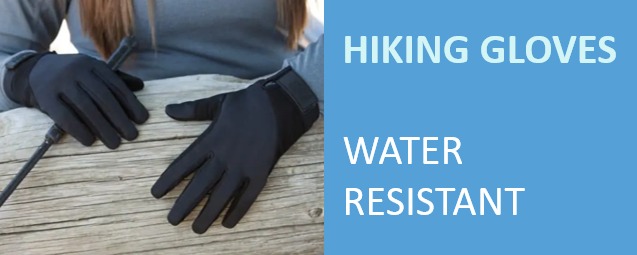
- Water-Resistant Gloves (e.g., hiking or outdoor gloves):
These are often coated or treated with a water-repellent finish. They can resist splashes or light rain, but prolonged exposure or submersion will allow water to penetrate. Their key benefit is breathability — they allow moisture and sweat to escape, making them more comfortable for extended outdoor wear.
-
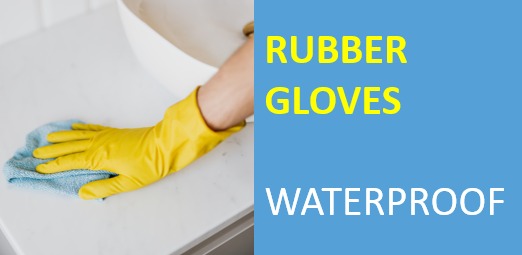
Waterproof Rubber Gloves (e.g., household and industrial gloves):
These are designed to completely block water, making them ideal for tasks such as dishwashing, floor cleaning, and janitorial work. Because they are non-breathable, they prioritize protection and dryness over comfort in hot or sweaty conditions.
👉 Key takeaway: Waterproof and breathability rarely go together. For outdoor use, water-resistant gloves offer comfort. For household and industrial use, waterproof rubber gloves ensure complete protection.
How Rubber Gloves Are Tested and Graded for Waterproof Performance
For gloves, waterproofing is not just about keeping hands dry — it is also about safety. If liquids or gases penetrate a glove, they can expose the wearer to harmful chemicals or microorganisms. Even tiny holes invisible to the eye can cause serious risks.
To ensure protection, rubber gloves are tested under EN 374-2:2014, which evaluates resistance to penetration (freedom from holes). Two main methods are used:
- Air Leak Test
- The glove is inflated with air and submerged in water.
- Any bubbles that appear indicate the presence of leaks or pinholes.
- Water Leak Test
- The glove is filled with water and suspended vertically.
- If water droplets form on the outer surface, it means leakage is occurring.
In EN 374, penetration is defined as the movement of liquid and/or microorganisms through porous materials, seams, pinholes, or other imperfections in the glove material — at a non-molecular level.
These tests confirm not only that rubber gloves are truly waterproof, but also that they can be relied upon as a barrier against hazardous substances. This is why performance standards are critical when selecting gloves for industrial, laboratory, or healthcare use.
Get In Touch With Us.
Our Experts Are Here to Help You Select The Right Gloves.
www.sumirubber.com | +604-4213121 | [email protected]
Recent Tips

September 18, 2026
The Role of Gloves in Reducing Cross-Contamination