




October 16, 2026
7 Key Factors For Selecting The Right Food Handling Gloves
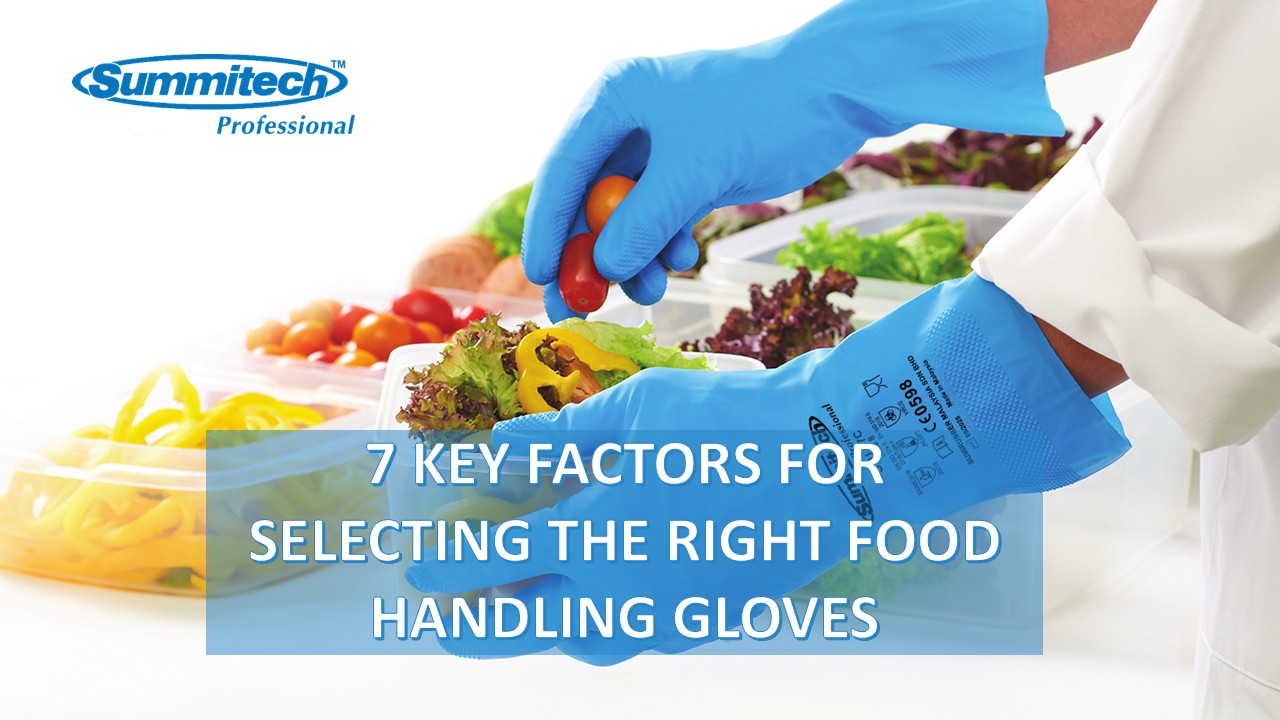
7 KEY FACTORS FOR SELECTING THE RIGHT FOOD HANDLING GLOVES
When it comes to food handling, food safety must always come first.
Whether you are in the food processing industry handling poultry, or in the food service industry turning raw ingredients into ready-to-eat meals, preventing bacterial and viral transfer from a gloved hand to food is critical.
Gloves play a vital role as personal protective equipment (PPE), supporting your food safety programs and helping prevent food-borne illnesses. That’s why it’s essential for business owners and safety officers to understand the key criteria when choosing gloves for food handling.
However, as a rubber glove manufacturer, we want to clarify an important point:
Most people associate food handling with disposable gloves — seen in bakeries, hawker stalls, and restaurant kitchens. But did you know that reusable rubber gloves, when compliant with relevant food safety regulations, are also safe for food handling?
In today’s challenging disposable glove market — where demand has soared — it’s worth considering alternatives.
Alternatives do not mean compromise. With the right understanding, you can confidently source gloves that meet both safety and budget requirements.
In this article, we will explore the factors that influence the choice of food handling gloves, helping you select the right solution for your business and market needs.
1 : Check for Food Safety Compliance
1.1 Glass and Fork symbol
When choosing gloves for food handling, it’s important to check that they comply with the necessary regulations to ensure safety.
In the European Union, all materials and articles intended to come into contact with food — including gloves — must comply with EC Regulation No. 1935/2004.
This regulation states that food contact materials:
- Must not transfer their components into food in quantities that could endanger human health, alter the food’s composition in an unacceptable way, or impair its taste and odour.
- Must be traceable throughout the production chain.
- Must be labelled either with the words “for food contact”, a specific indication of intended use, or display the glass and fork symbol:

Gloves with this symbol means that the gloves are safe for food handling since it complies with EC Regulation No. 1935/2004 for food contact application.
When sourcing gloves for food handling, always check the manufacturer’s website or the product packaging for this symbol. Its presence means the gloves meet EC Regulation No. 1935/2004 requirements and are certified safe for food contact.
✅ All of our products fully comply with EC Regulation No. 1935/2004 for food contact applications.
1.2 How FDA CFR 21 Part 177.2600 Ensures Rubber Gloves Are Safe for Food
To ensure gloves do not transfer harmful chemicals, colours, odours, or tastes to food, they must comply with FDA 21 CFR Part 177.2600 – Rubber Articles Intended for Repeated Use.
Under this regulation, rubber articles may be safely used in producing, manufacturing, packing, processing, preparing, treating, packaging, transporting, or holding food — provided they meet the specific provisions outlined in this section.
The Code of Federal Regulations (CFR) specifies the permitted materials and chemicals that can come into direct contact with food. This includes:
- Elastomers such as acrylonitrile-butadiene copolymer (nitrile), chloroprene polymers, and natural rubber (latex).
- Approved accelerants, activators, antioxidants, plasticizers, fillers, and colourants used during manufacturing.
Given the variety of gloves available — each with differences in material, thickness, and surface treatments — it is essential to confirm that the gloves you choose are explicitly approved for food contact under FDA 21 CFR Part 177.2600.

FDA CFR 21 Part 177-2600 – Rubber articles intended for repeated use
This Code of Federal Regulations (CFR) lists the permitted materials and chemicals that can come into contact with food.
2: Choose the Right Material
Should I choose natural rubber gloves or nitrile gloves for food handling?
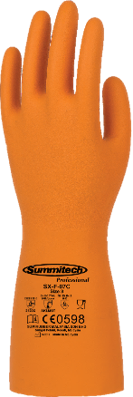
NATURAL RUBBER GLOVES
- 1. Provide excellent tactile sensitivity
- 2. Highly flexible
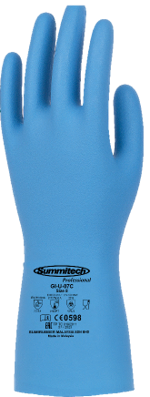
NITRILE GLOVES
1. Offer superior resistance to abrasion, cut and puncture
2.Do not contain latex protein
3. More durable
Both natural rubber gloves and nitrile gloves are suitable for food handling — the choice depends on your priorities.
Natural rubber gloves are highly flexible and provide excellent tactile sensitivity, making them ideal for tasks that require precision.
Nitrile gloves, on the other hand, offer superior resistance to abrasion, cuts, and punctures compared to natural rubber.
Another advantage of nitrile is that it is latex‑free, eliminating the risk of Type I latex allergy.
In short:
- If flexibility and touch sensitivity matter most, choose natural rubber gloves.
- If durability and resistance are your priorities, choose nitrile gloves.
3: Gloves lining
Why choose unlined gloves for food handling?
Unlined gloves are an excellent choice for food handling because they eliminate the risk of flock contamination — tiny fibers from the inner lining that can be found in flocklined gloves.
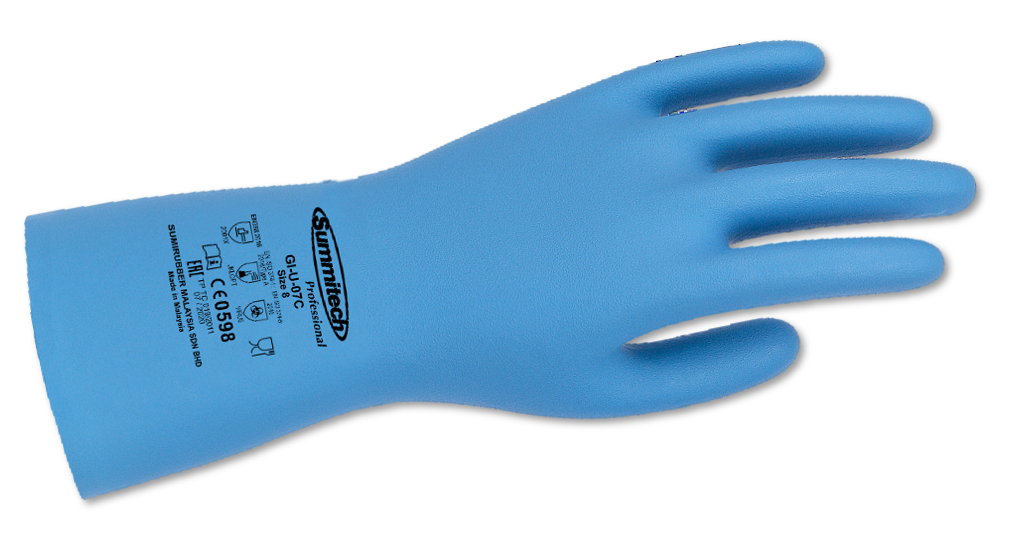
Our Gloves Product Code
GI-U-07C , The “U” Indicate Unlined
While flock‑lined gloves are effective at absorbing perspiration, unlined gloves are often chlorinated to make them easier to put on and take off. Without any inner lining, there is no risk of loose flock shedding and coming into contact with food.
In short, unlined gloves offer a cleaner and safer option for food handling, helping to maintain the highest hygiene standards.
4: Prioritize Grip Pattern
Grip plays a crucial role in safe and efficient food handling.
Imagine holding a fish or potato, only for it to slip from your hands a second later — even while wearing gloves. This is a common risk when handling slippery items.
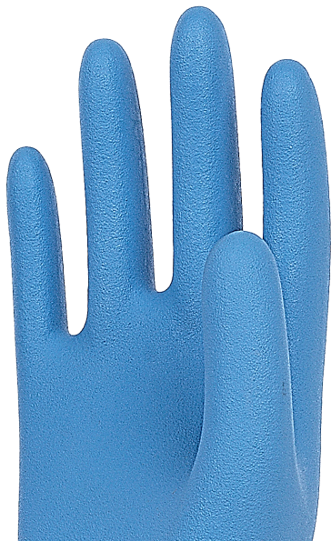
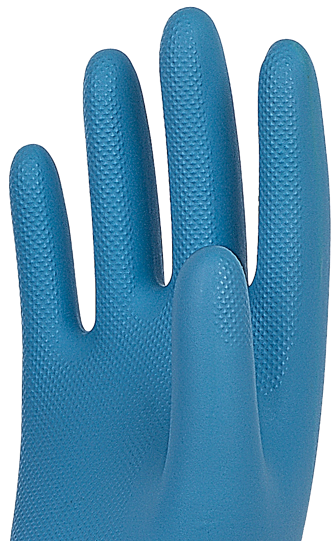
Tasks such as working with poultry, seafood, raw potatoes, other smooth‑surfaced vegetables, or certain red meat products often require gloves with a raised pattern, textured, or embossed surface to improve grip.
Our gloves are specially designed with diamond and pebble patterns on the palms and fingers, delivering excellent grip in both wet and dry conditions, helping you work with confidence and control.
|
PEBBLE GRIP
|
DIAMOND GRIP
|


5: Get the Perfect Fit
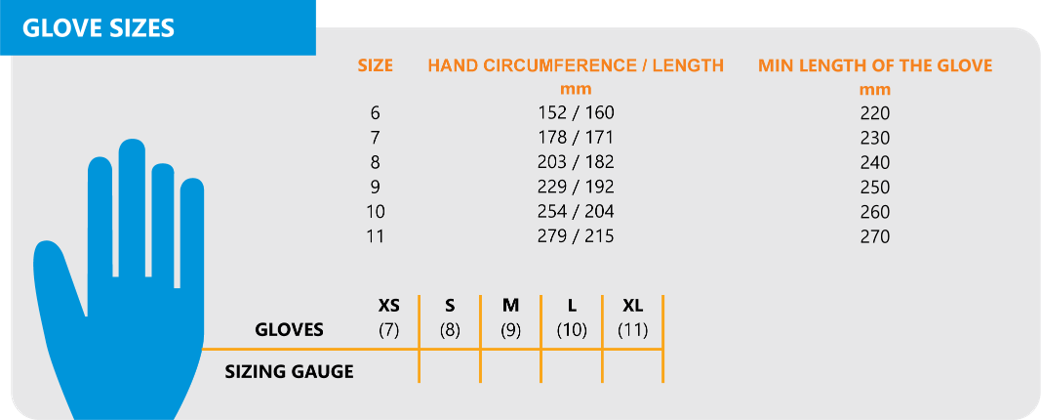
A well‑fitting glove is essential not only for maximum protection, but also for ensuring comfort during use.
In the food processing industry, hygiene is a top priority. Workers are often required to wear gloves for long hours, making comfort and fit even more important. Gloves that are too loose or too tight can cause hand fatigue, reduce efficiency, and ultimately affect work quality.
Because we know that ill‑fitting gloves are unacceptable, we have designed our gloves to suit a wide range of adult hands.
In the world of rubber gloves, there is no “one‑size‑fits‑all” solution. Refer to the glove size measurement guide below to determine the right fit for your hands.
6: Gloves Thickness
Glove thickness plays a key role in ensuring the right level of protection for specific food processing tasks.
Consider these scenarios:
Processing aloe vera plants with thorns
Working on food canning lines with sharp can edges
Handling crabs with hard shells and sharp claws
In such cases, a thicker glove may provide better protection against cuts, punctures, and abrasions.
That said, thicker does not always mean better. The ideal glove thickness depends on the specific application. In the food processing industry, workers in different roles — from poultry processing to canning — may require different levels of hand protection.
The best approach is to involve your workers in the selection process. Have them test glove samples to determine which option offers the right balance of protection, comfort, and dexterity.
For personalised recommendations on gloves for food processing, feel free to contact our glove experts.
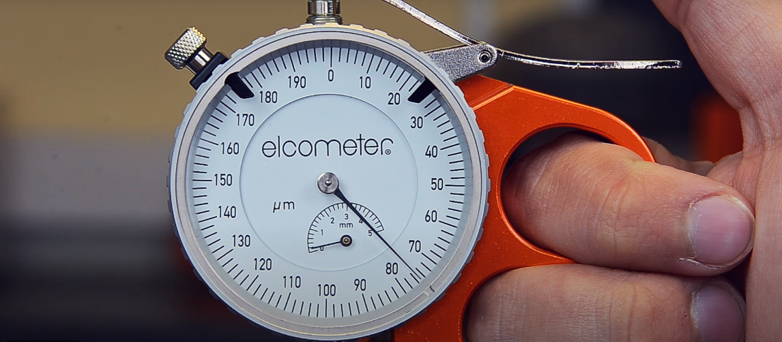
Gloves Thickness
The choices of gloves PPE in food processing industry depend largely on the process applications.
From processing poultry to canning, workers that working on different processes might have different needs in their hand protection gears.
7: Use Colour with Purpose
Have you ever noticed that most gloves used in food handling — especially in poultry processing — are blue? This includes operations involving chickens, turkeys, ducks, and similar products.
The reason is simple: blue contrasts sharply against poultry, making it much easier to spot if a glove is torn and pieces end up in the food.
Now, imagine if a worker used natural-coloured gloves instead. While these gloves can still perform well for the job, the risk lies in their colour. If a glove tears during processing, the pieces could blend in with the poultry’s natural tones, making them difficult to detect. This could allow fragments to pass unnoticed through the processing line — a serious contamination risk and a potential hazard for the end consumer.
When sourcing gloves for food processing, it’s important to share detailed information about the specific processes with your glove manufacturer. This ensures the gloves chosen — including their colour — are not only functional, but also support product safety, worker awareness, and consumer protection.
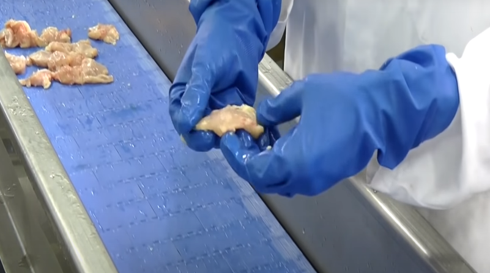
BLUE is a colour that contrast sharply to poultry.
If a rubber gloves is accidentally torn during the process, it will be easier to detect the torn pieces of glove.
Our experts are here to help you select the right food handling gloves to ensure you stay protected.
www.sumirubber.com | +604-4213121 | [email protected]
Recent Tips

October 12, 2026
Eco-Friendly Gloves: Are They the Future?
September 18, 2026
The Role of Gloves in Reducing Cross-Contamination